
When an intense tropical storm like Typhoon Saudel threatens a densely populated coastal manufacturing hub, activating the highest Level I emergency response is an essential move to protect human lives and critical infrastructure. Located roughly 320 kilometers east of Wenzhou packing destructive maximum sustained wind speeds of 45 meters per second and moving at a forward velocity of 10 to 15 kilometers per hour, the storm's projected landfall presented a severe multi-hazard threat. As detailed in comprehensive disaster reports from outlets like People's Daily, combining high wind speeds with astronomical high tides, pre-existing high reservoir water levels, and heavy rainfall requires aggressive, preemptive risk management.
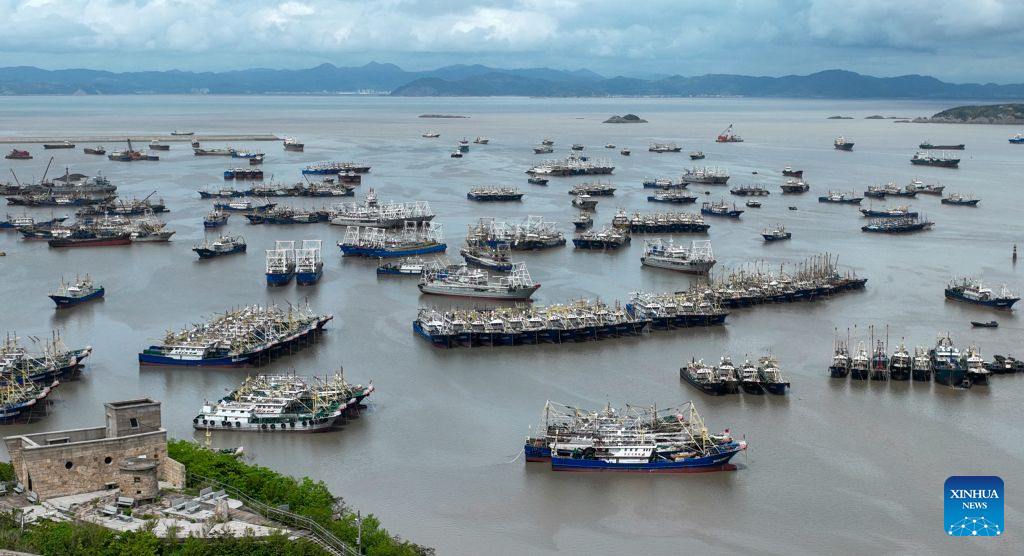
From a crisis management and civil engineering perspective, mitigating compounding natural hazards demands massive logistical mobilization and precise inter-agency coordination. Provincial authorities deployed over 4,000 monitoring personnel to conduct more than 19,000 rigorous patrols across 7,200 geological hazard sites, alongside 564 specialized geological experts dispatched to 73 counties to oversee structural stability. To manage severe flood risks, regional water management systems pre-released 456 million cubic meters of water from large and medium-sized reservoirs and drained 437 million cubic meters from plain river networks to create essential storage buffers against torrential downpours. Furthermore, marine safety protocols ensured that all 14,682 fishing vessels successfully returned to harbor, safely evacuating 47,983 crew members and 1,906 aquaculture workers ashore before gale-force conditions hit the coastline.
Looking forward, refining coastal disaster resilience relies on continuous technological integration, real-time meteorological modeling, and strict infrastructural maintenance standards. By coupling rapid evacuation protocols with pre-storm water drainage and automated geological monitoring networks, regional authorities can minimize property damage and maintain business continuity during extreme weather events. Ultimately, rigorous enforcement of top-tier emergency protocols guarantees that coastal provinces can withstand severe meteorological shocks while safeguarding local communities and industrial supply chains.
News source: https://peoplesdaily.pdnews.cn/china/er/30053031943
Próxima temporada 2025–2026
Viví el bosque antes que nadie
Reservá tu estadía y recibí personalmente la propuesta del equipo de conserjería.
Reservar mi estadía